Overview of E-Waste Recycling
E-waste Recycling
Types of E-Waste
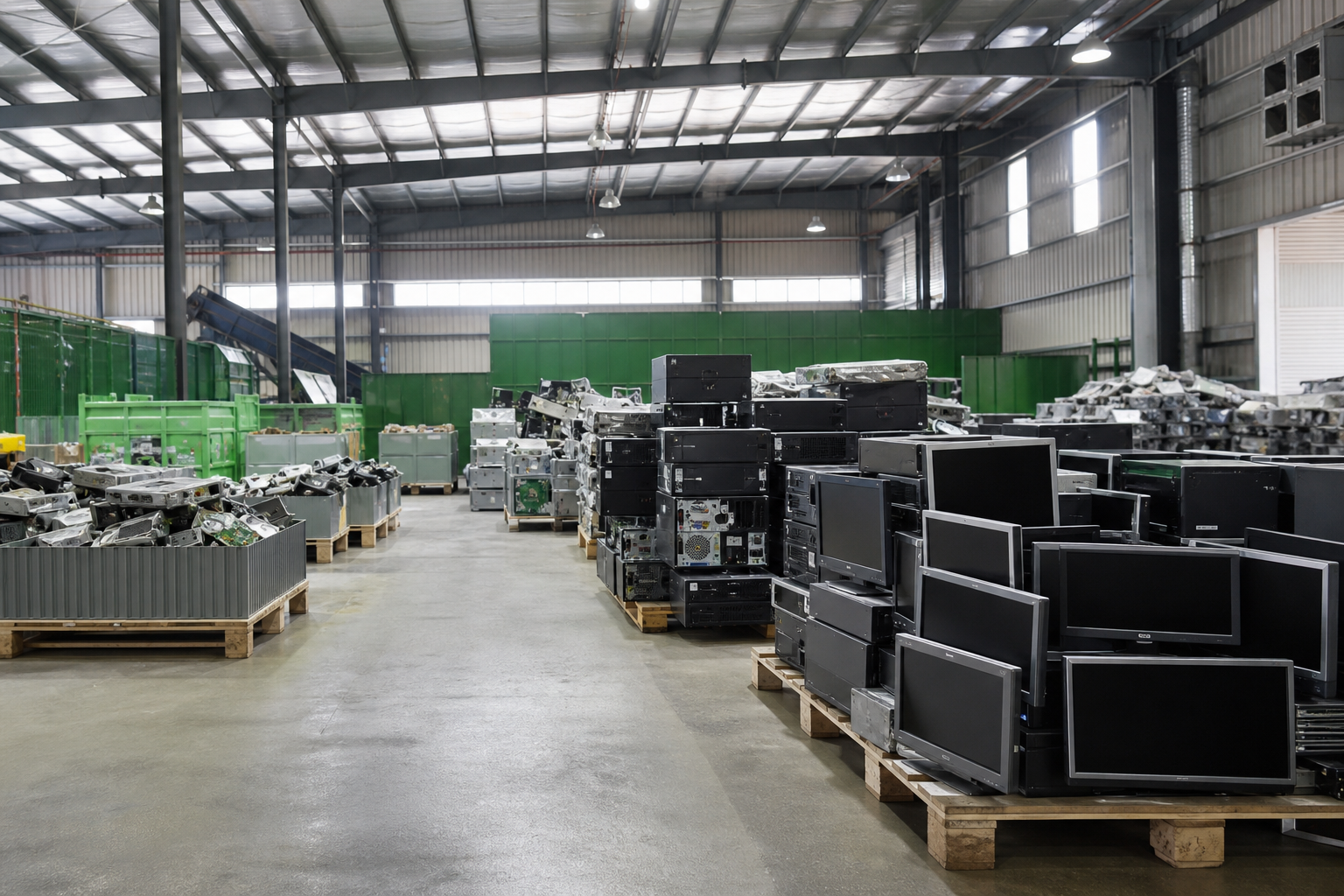
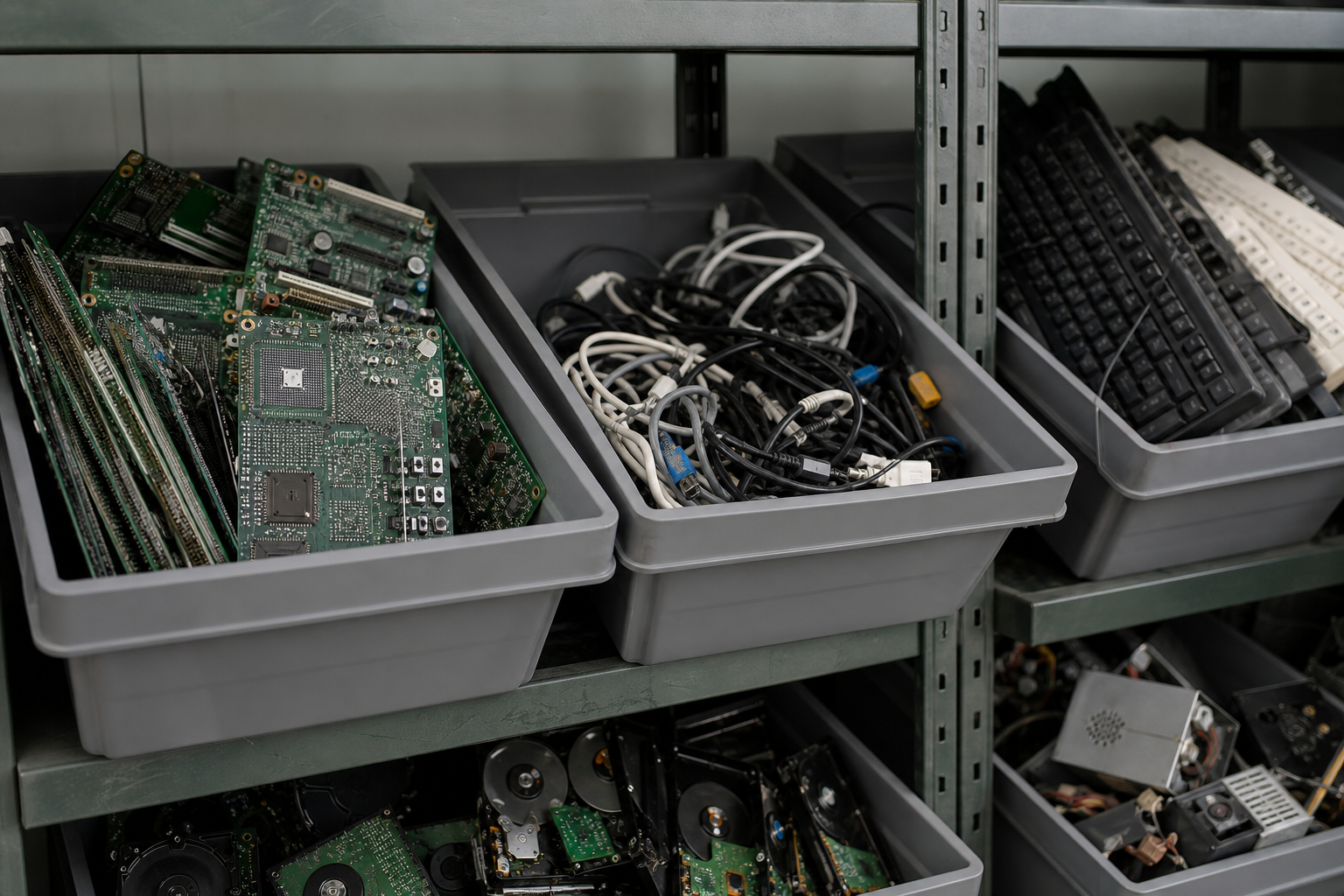
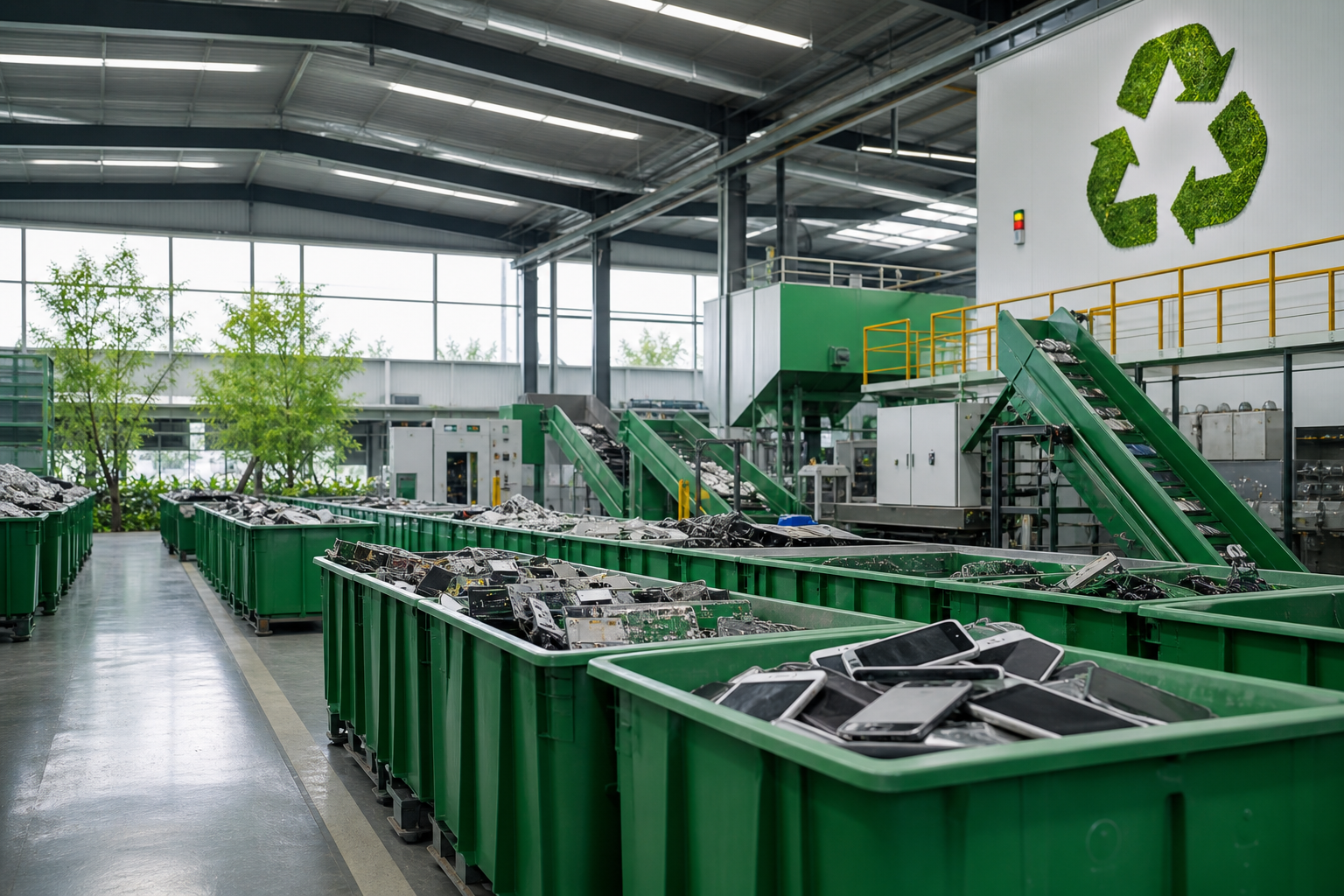
- Computers, laptops, tablets, and mobile phones
- Televisions, monitors, and displays
- Printers, scanners, and fax machines
- Gaming consoles and accessories
- Refrigerators, air conditioners, and other household appliances
- Batteries, chargers, and power supplies
Benefits of E-Waste Recycling
- Conservation of natural resources (metals, minerals, and energy)
- Reduction of greenhouse gas emissions and pollution
- Protection of human health and the environment from toxic materials
- Creation of jobs and economic opportunities in the recycling industry
- Data security and privacy protection through proper destruction of devices
E-Waste Recycling Process
Collection
Gathering e-waste from households, businesses, and institutions.
Sorting
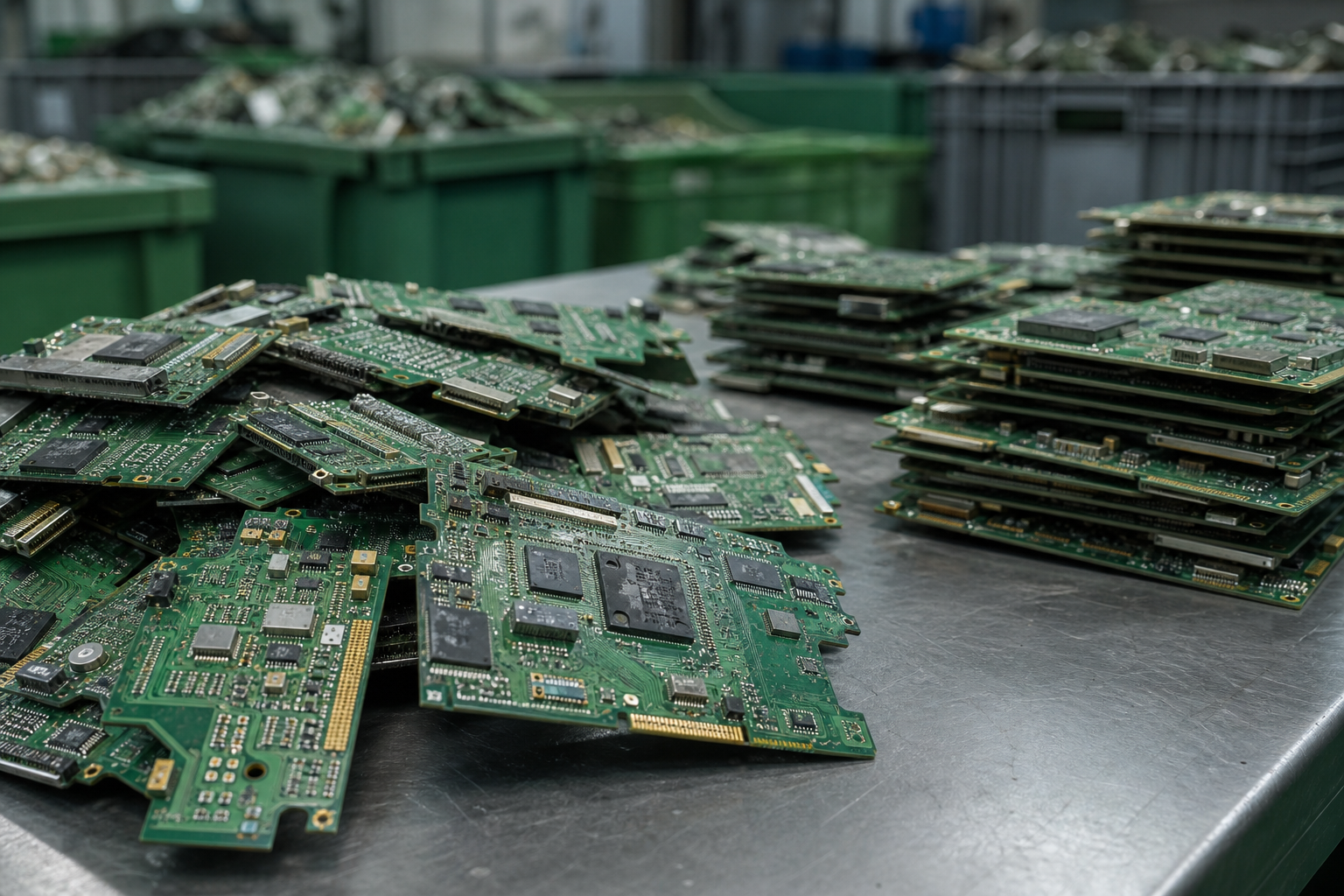
Separating devices by type and material composition.
Disassembly
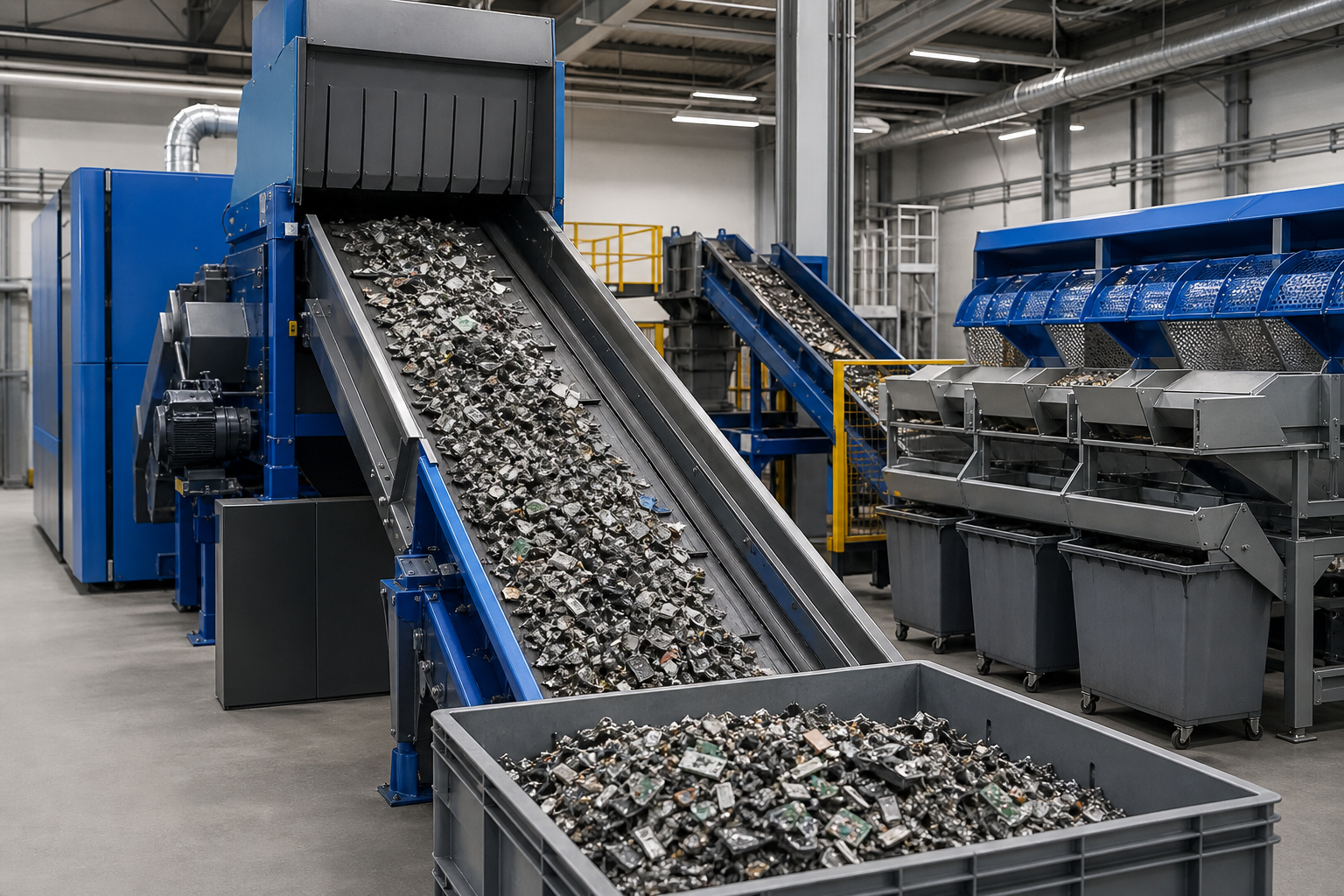
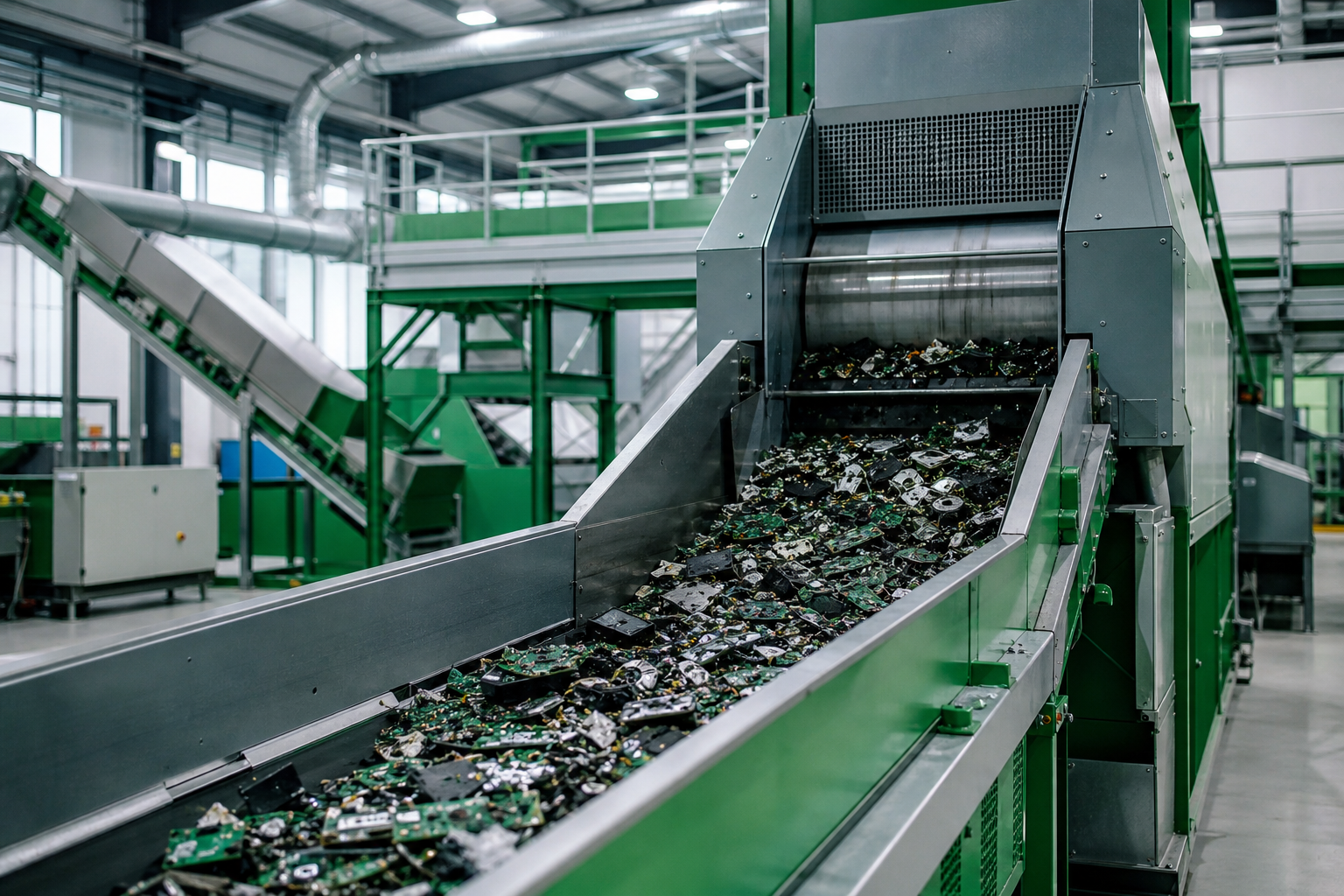
Breaking down devices into components and materials.
Shredding
Reducing materials into smaller pieces for processing.
Separation
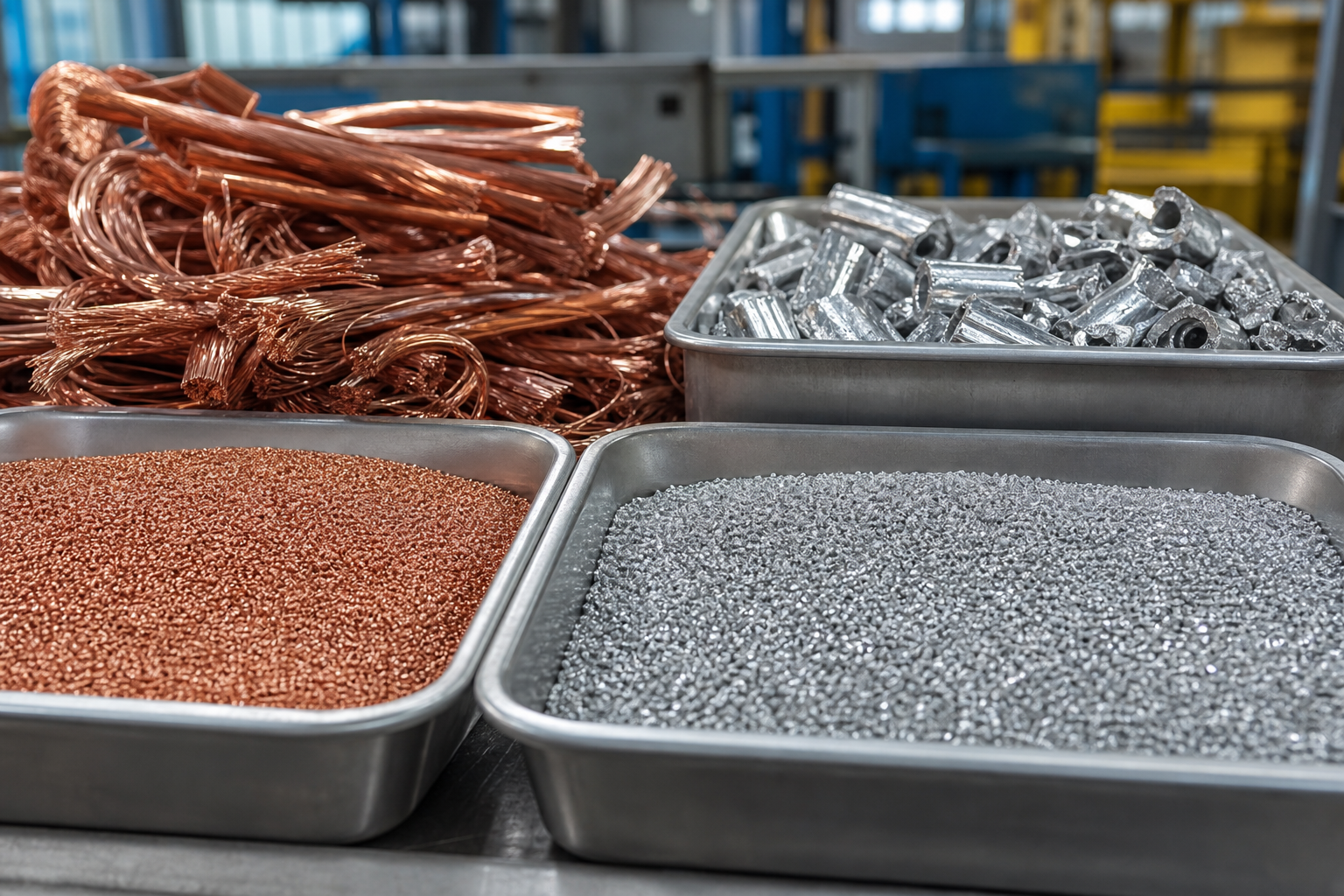
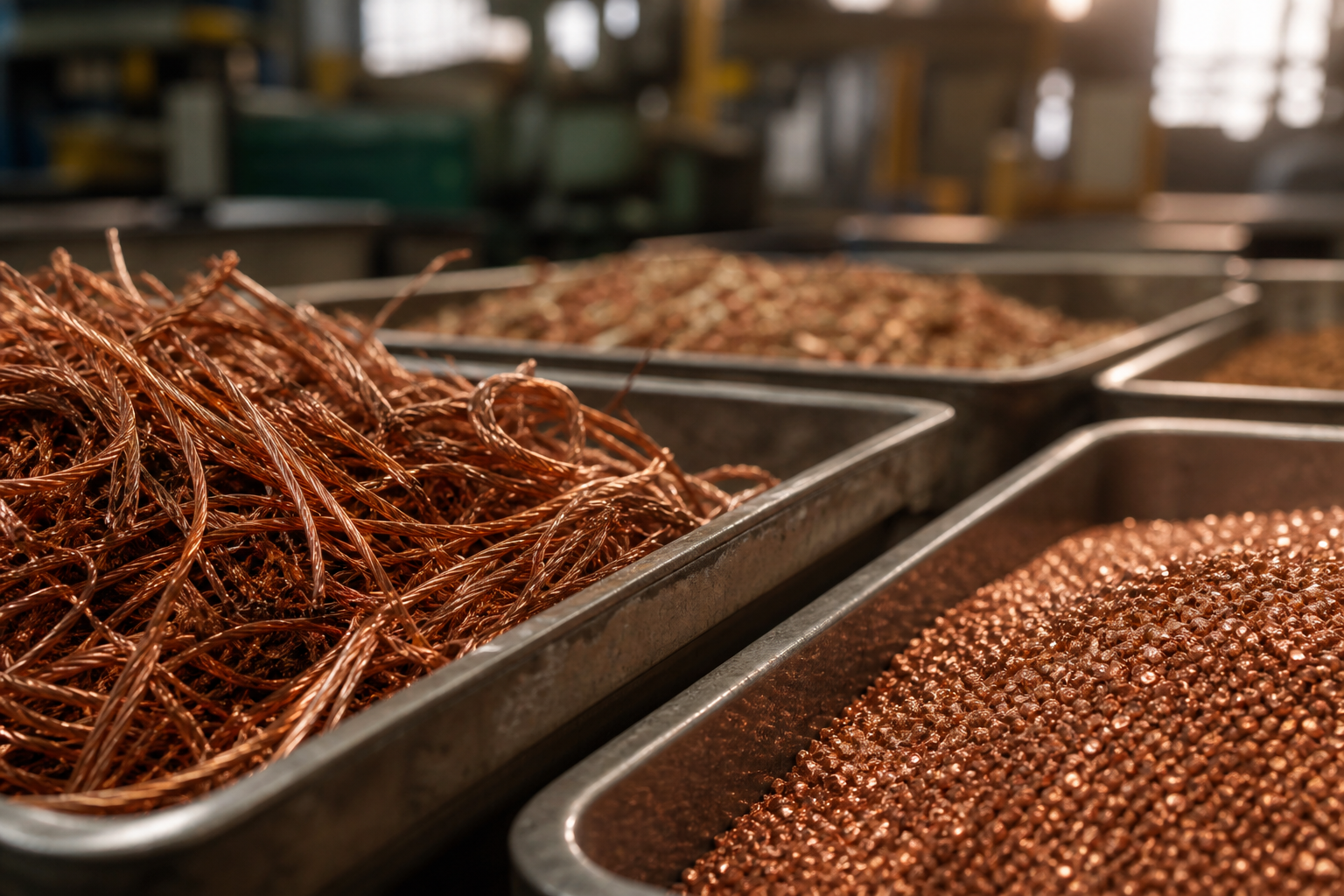
Extracting valuable materials like copper, gold, silver, and aluminum.
Purification
Refining materials for use in new products.
Manufacturing
Creating new products from recycled materials.
Challenges and Opportunities
- Developing efficient and cost-effective recycling technologies
- Ensuring responsible and ethical e-waste management practices
- Encouraging consumer participation and education
- Creating closed-loop systems where materials are continually cycled back into production.
Challenges
-
1
Complexity: Electronic devices contain a wide range of materials, making disassembly and separation difficult.
-
2
Hazardous Materials: E-waste contains hazardous materials like mercury and cadmium, which require special handling and processing.
-
3
Data Security: Ensuring the secure destruction of sensitive data stored on devices.
-
4
Lack of Infrastructure: Limited e-waste recycling facilities and inadequate waste management systems in many countries.
-
5
Cost: E-waste recycling can be more expensive than traditional waste disposal methods.
Opportunities
-
1
Job Creation: E-waste recycling can generate employment opportunities in collection, sorting, and processing.
-
2
Resource Conservation: Recycling e-waste can conserve natural resources and reduce the environmental impact of mining and processing raw materials.
-
3
Innovation: Developing new technologies and processes to improve e-waste recycling efficiency and effectiveness.
-
4
Closed-Loop Production: Creating products made entirely from recycled materials, reducing the need for virgin resources.
-
5
Extended Producer Responsibility: Encouraging manufacturers to design sustainable products and take responsibility for their end-of-life management.
Innovative Solutions and Technologies
Some innovative solutions and technologies are emerging to address these challenges, such as:
Robotics and Automation
Developing robots and automated systems to efficiently disassemble and sort e-waste.
Advanced Sorting Technologies
Using sensors and AI to identify and separate materials.
Chemical Recycling
Using chemical processes to extract valuable materials from e-waste.
Want to learn more about MMR's e-waste services? Explore E-Waste Recycling or contact us.